Elevator Maintenance in Strata Buildings – Why It Matters
Elevators are a staple in nearly all strata buildings, and they play a vital role in the daily lives of residents. But what happens when they break down? Worse yet, what if there’s an accident? That’s why elevator maintenance is so important in strata buildings. Not only does it help keep the elevators running smoothly and efficiently, but it also helps to prevent accidents and injuries. In this post we’ll discuss the importance of having a proper elevator-maintenance program in place.
Why Is Elevator Maintenance Important?
There are several reasons why elevator maintenance is so important in strata buildings.
- Safety. Like any machinery, elevators can malfunction. Regular maintenance helps prevent accidents.
- Performance. Routine servicing keeps elevators running smoothly and efficiently.
- Longevity. Proactive care prolongs the life of the elevator system and reduces costly breakdowns.
- Responsibility. A documented maintenance program shows the strata corporation is taking resident safety seriously.
What Does Elevator Maintenance Entail?
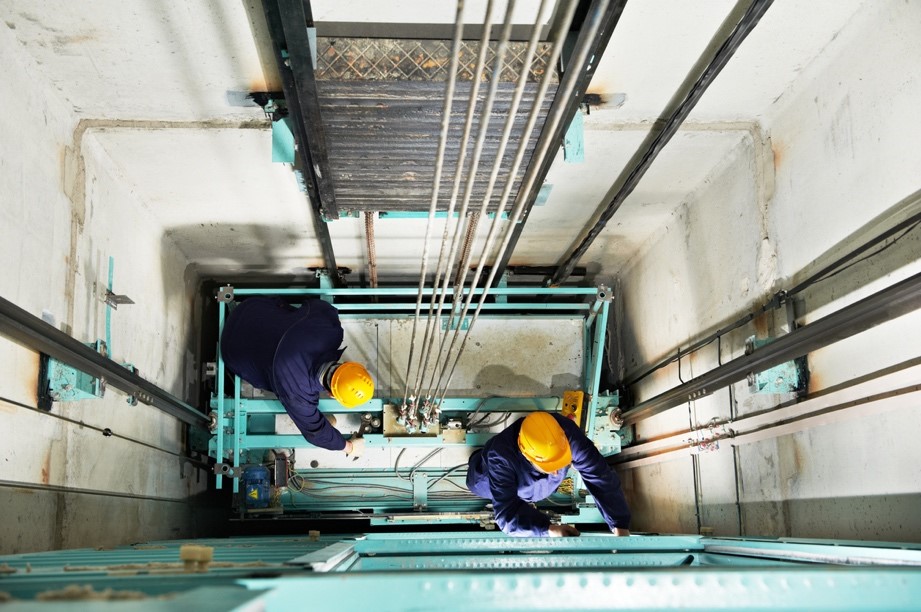
Maintenance must be performed by a licensed contractor familiar with your elevator’s make and model. Inspections should be monthly, with more detailed quarterly or semi-annual checks. A typical visit includes:
- Lubricating moving parts
- Inspecting wear points and safety devices
- Testing alarms and emergency features
- Performing load tests to verify capacity
After each inspection the contractor issues a written report outlining any deficiencies corrected or repairs required.
Preventive Maintenance Is Key
Elevators are vital to residents’ day-to-day life, yet breakdowns create frustration—or worse, emergencies. A preventive maintenance contract with a BCSA-licensed contractor isn’t optional; it’s a legal requirement for strata corporations in British Columbia.
Your Responsibility under BCSA
The BC Safety Authority mandates that every strata elevator—hydraulic, traction or roped-hydraulic—must be covered by a valid maintenance contract. Failure to comply can expose the strata to liability if an incident occurs.
Benefits of Preventive Maintenance
- Reduces unexpected breakdowns and costly emergency repairs
- Extends equipment life span
- Improves energy efficiency and lowers operating costs
- Protects the strata from legal liability
BCSA Safety Order – Single-Bottom Cylinders
On December 10 2010 the BCSA issued a safety order requiring all hydraulic elevators with single-bottom cylinders to be replaced by October 8 2015 to meet CSA B44-2007 code. Stratas with such elevators must file a compliance plan. Unsure whether you’re affected? Ask your elevator maintenance contractor.
If a single-bottom cylinder exists, the strata must submit a compliance plan and notification form to the BCSA detailing how the upgrade will be completed. See the Elevating Devices Safety Regulation for details.
Conclusion
Elevator maintenance ensures safety, smooth operation and code compliance. Engage a licensed contractor, follow a set schedule and stay ahead of BCSA requirements—your residents depend on it.
Not Legal Advice – The material provided on the StrataPress website is for general information purposes only. It is not intended to provide legal advice or opinions of any kind and may not be used for professional or commercial purposes. No one should act, or refrain from acting, based solely upon the materials provided on this website without first seeking appropriate professional advice. Your use of these materials is at your own risk.